A quotation that says only “Texas brass ball valve” leaves critical questions unanswered: the exact model, pressure basis, thread form, materials, temperature limit, and approval documents. By checking those details against your medium, line conditions, installation method, and receiving inspection, you can reject an unsuitable valve before it reaches the pipe rack.
Key takeaways
- Request the exact Texas model number, not only a PN 40 description.
- Confirm medium, temperature, pressure, bore and flow duty before ordering.
- Match thread standard, size, installation direction and handle clearance.
- Inspect markings, threads, seals, documents and packaging on delivery.
Turn “Texas” and “PN 40” into a complete specification
“Texas” identifies a brand or product family, not a complete valve specification. Ask for the exact model number and compare the manufacturer’s datasheet, not a quotation that says only “Texas brass ball valve.”
1. Define pressure correctly. Confirm whether PN 40 means PN 40 nominal pressure, a 40 bar test pressure, or a manufacturer-specific rating. Ask for the pressure unit, temperature basis, pressure-temperature derating table, shell and seat test pressures, and the maximum working temperature. PN 40 at room temperature does not automatically qualify the valve for steam.
2. Request the complete Texas brass valve specifications: available sizes, nominal bore, full-port or reduced-port design, body and bonnet construction, ball and stem materials, seat and packing materials, operating temperature range, flow coefficient (Cv), leakage class, and end-to-end dimensions. Record every value against the exact model.
3. State the connection precisely. Your brass ball valve purchase checklist must include NPT, BSPT, or BSPP thread standard; nominal size; male or female ends; and whether the valve uses union, flare, solder, compression, or plain threaded connections. Similar pipe sizes do not make different thread forms compatible.
4. Obtain a nameplate photograph, datasheet, country of origin, batch or lot traceability, warranty terms, and written authorised-channel confirmation. For steam, demand an explicit saturated- or superheated-steam rating plus seat and stem-seal materials.
For fire protection, require the specified UL or FM listing; for petroleum or marine service, request named fire-safe, anti-static, fugitive-emission, or sour-service evidence rather than assuming it.
Match the valve to the medium, flow duty, and pressure
Choose the valve for the medium’s chemistry, operating temperature, pressure, and required flow; do not select it from pipe size or a PN marking alone. Obtain the manufacturer’s pressure-temperature curve and flow coefficient or pressure-loss data for the exact model.
| Port design | Flow consequence | Suitable use |
|---|---|---|
| Full port | Lowest restriction; permits pig passage where the bore is suitable | Pumped flow, high flow rates, or pipeline cleaning |
| Reduced port | Higher pressure loss through the same nominal size | Isolation duties where pressure drop and pig passage do not matter |
Match the nominal size to required flow and allowable pressure drop. A reduced-port valve can restrict pump capacity even when its connection and pressure marking match the pipe.
For a threaded brass valve, request evidence of manufacture and testing to MSS SP-110 where applicable. The datasheet should state dimensions, pressure-temperature ratings, seat materials, and test requirements.
- Steam: reject a general-purpose soft-seat valve unless the exact model has a stated saturated-steam or superheated-steam limit, with compatible seats, stem seals, and body materials.
- Fire-fighting water: specify the required UL or FM listing and check the exact model in the certification directory; a plumbing valve is not an acceptable substitute.
- Petroleum, marine, or pipeline service: name required fire-safe, anti-static, fugitive-emission, or sour-service qualifications instead of inferring them from quarter-turn operation.
Ask for the shell-test pressure, seat-test pressure, allowable leakage rate, test medium, and individual test record under the stated basis, such as ISO 5208.
Verify threads, installation details, and operating clearance
A valve that matches the pipe size can still fail at installation if its thread form, end connection, or handle clearance is wrong. Confirm the connection before ordering, not after the valve reaches the worksite.
1. Write the connection on the purchase order in full: nominal size, NPT, BSPT, or BSPP thread, male or female gender, and end type. NPT and BSPT use different thread forms and sealing practices; BSPP relies on a sealing washer or gasket.
Do not treat a 1-inch NPT valve as interchangeable with a 1-inch BSP valve.
2. State whether the valve has threaded, union, flare, solder, or compression ends. Check the mating pipe, adaptor, gasket, and sealant before installation. A missing union can turn a simple replacement into pipe cutting, while excess thread sealant can enter the bore and damage the seats.
3. Confirm the installation envelope from the manufacturer’s drawing. Measure face-to-face length, pipe alignment, wrench access, stem orientation, and the space needed to remove the handle. Do not use the handle to tighten the valve; hold the body’s wrench flats while making the joint.
4. Leave room to isolate, drain, inspect, and replace the valve. Position the lever or T-handle where a worker can move it fully from open to closed without striking a wall, cable tray, insulation, or adjacent pipe.
5. Before service, cycle the valve through its complete travel, check every joint for leakage, and verify that the installed position matches the flow and access requirements. A cramped valve is a maintenance fault, not merely an inconvenience.
Check conformity, documents, and the valve when it arrives
A quotation that says only “Texas brass ball valve” is not sufficient to identify the product. Require the exact model number, size, port, thread standard, pressure-temperature rating, manufacturer datasheet, and a photograph of the nameplate before placing the order.
Ask the supplier for evidence that the seller is authorised, then confirm the model is genuine and current with the manufacturer. Require these documents:
- Manufacturer datasheet stating design, dimensions, ratings, and test requirements, including MSS SP-110 where applicable.
- Tax invoice showing the exact model, quantity, and supplier details.
- Batch or lot number linked to the valve and its test or inspection record.
- Country of origin, warranty terms, and an authorised-channel confirmation.
- For potable water, certification to NSF/ANSI/CAN 61 where the project requires it, plus lead-content evidence such as NSF/ANSI 372. “Non-toxic” is not equivalent to certification.
- For fire-fighting service, the required UL or FM listing, verified against the exact model in the relevant certification directory. A pressure rating alone is not fire-system approval.
When the shipment arrives, compare the model, size, thread, markings, packaging label, and datasheet with the purchase order. Check that the Mumbai stock is sealed, clean, and free from dents, cracked castings, bent stems, damaged threads, missing handles, or stiff operation. Reject unlabelled valves, broken seals, substituted models, and deliveries without traceable documents.
Request a Mumbai quotation that can actually be compared
Send a purchase brief, not just the words “Texas brass ball valve.” State the exact model, size, nominal bore, port, pressure and temperature duty, medium, end connection, thread standard, quantity, delivery location, and required documents. Include whether you need a full-size or mini valve and whether spare seats, seals, or handles must be supplied.
Ask every Texas brass ball valve supplier in Mumbai for:
- Manufacturer datasheet, exact model number, nameplate photograph, country of origin, batch or lot traceability, warranty, and authorised-channel confirmation.
- Written confirmation that Mumbai stock is sealed, labelled, current, and matches the quoted datasheet and certificates.
- Applicable design and test standard, such as MSS SP-110 where relevant; do not accept “PN 40” without its pressure-temperature basis.
- Separate prices for valves, spares, GST, freight, and any cutting or packing charges.
- Available quantity, dispatch date, replacement process, technical contact, and after-sales support.
Compare quotations on like-for-like evidence rather than unit price.
| Item | Compare | Reject or question |
|---|---|---|
| Stock | Sealed local stock, batch traceability, dispatch date | “Available” with no quantity or date |
| Spares | Seats, seals, stems, handles, lead time | No part numbers or interchangeability statement |
| Support | Datasheet review and installation guidance | Sales-only contact |
| Delivery | Freight, packing, tax, promised date | Verbal commitment only |
A search for “Texas brass ball valve for details in Mumbai” or “Texas valve distributor Nagdevi” only finds candidates. Navkar Enterprises -Texas Valves (India) can be one quotation source, but verify authorisation directly with the manufacturer before ordering.
Related products
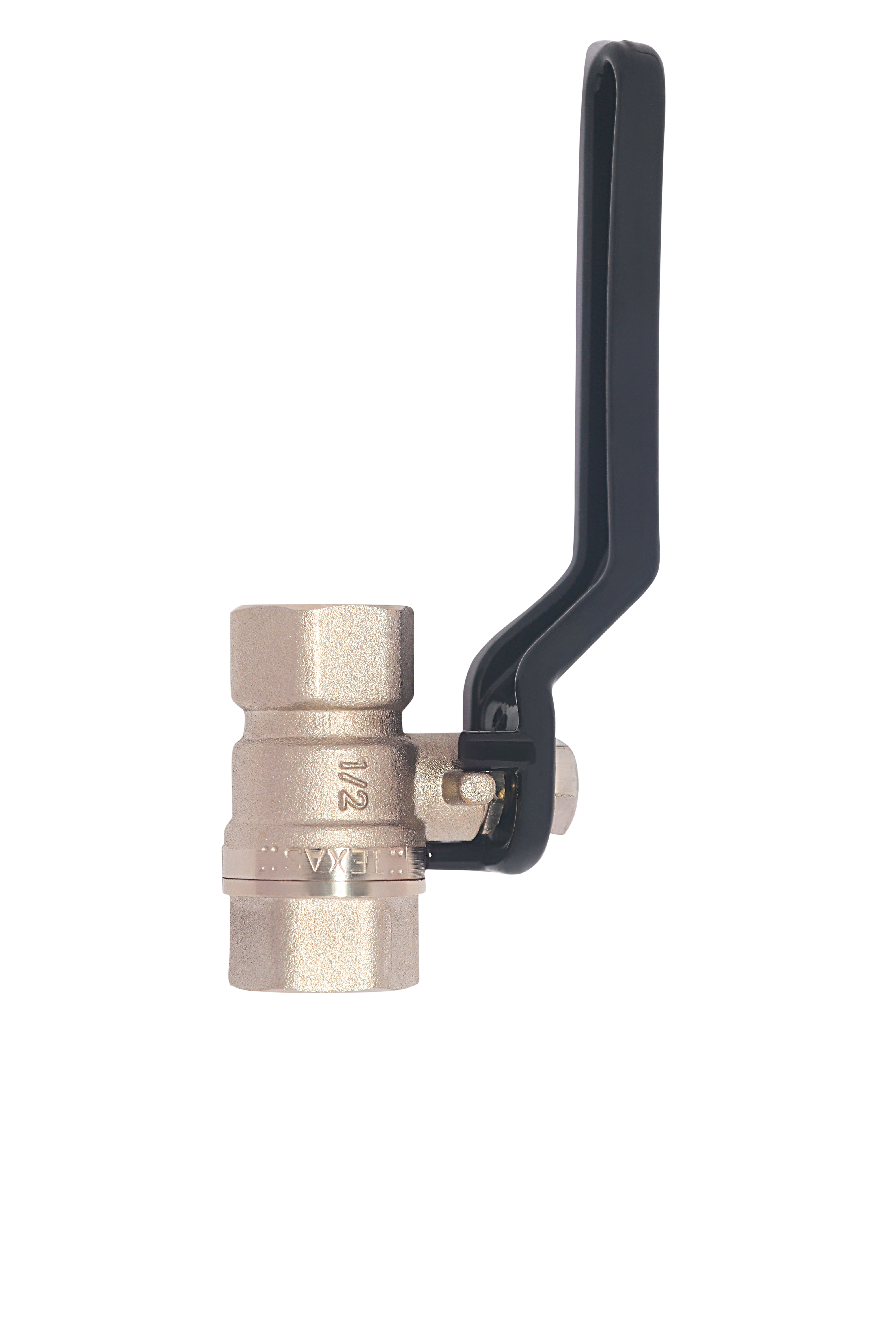 | Brass Ball Valves BRASS BALL VALVE PN 40 KG View product → |
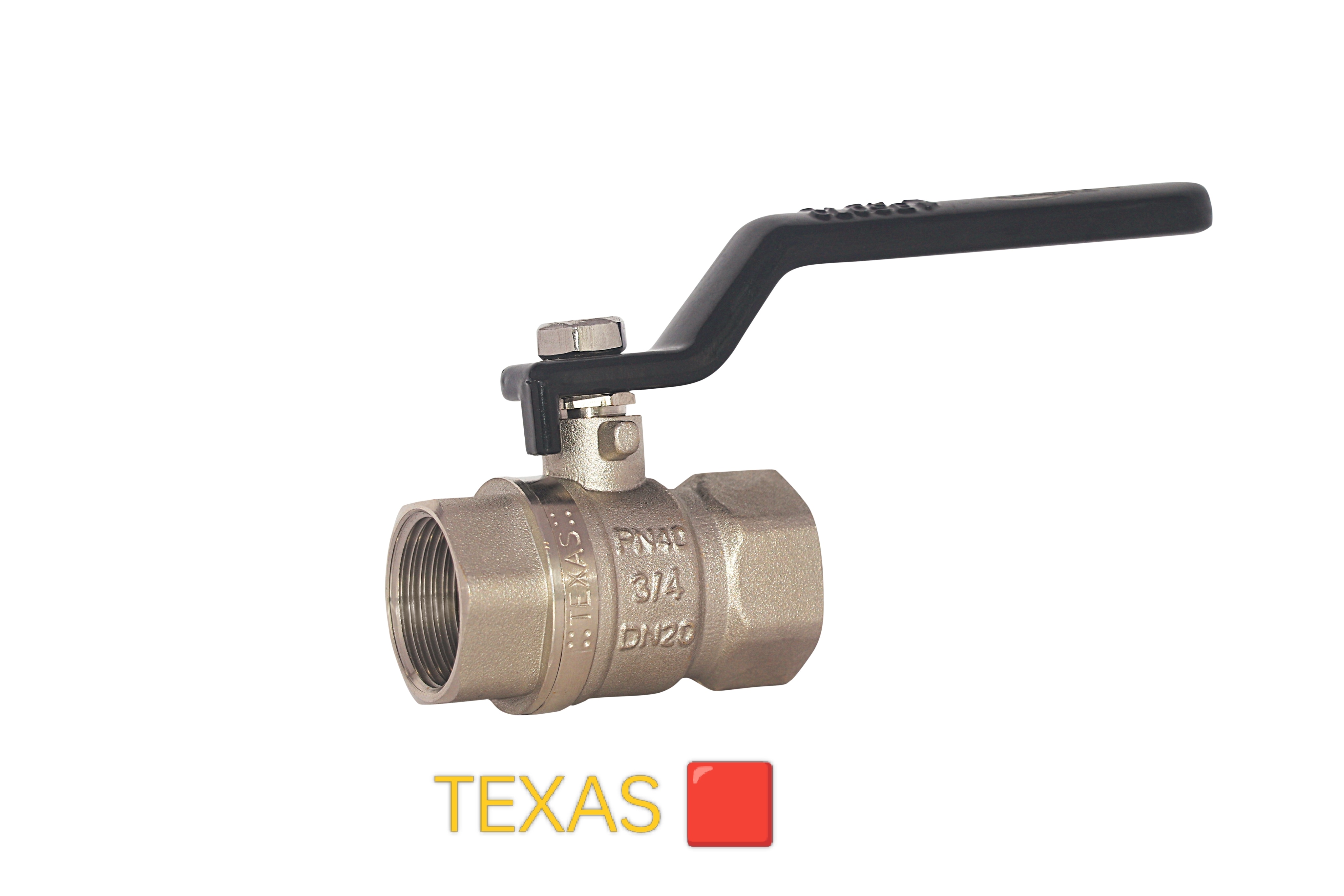 | BALL VALVES TEXAS 🟥 TEXAS 🟥 FORGED BRASS BALL VALVES PN 40 KG PRESSURE RATING View product → |
Frequently asked questions
What does PN 40 tell you about a Texas brass ball valve?
PN 40 identifies a nominal pressure class, but it does not complete the specification. Confirm the exact model, size, temperature rating, medium compatibility, bore and pressure-temperature limits on the datasheet.
Which details must you match to the application?
Match the valve to the medium, operating temperature, working pressure, flow duty, connection size and required bore. Check seal and body-material compatibility before selecting the valve.
What thread and installation details should you verify?
Confirm the thread standard, such as BSP or NPT, thread size, connection gender, flow direction if marked, fitting space, handle movement and access for future maintenance.
What should you inspect when the valve arrives?
Compare the model and size with the purchase order, then inspect body markings, threads, handle movement, sealing surfaces, packaging, quantity and supplied test or conformity documents.
How can you compare quotations from Mumbai suppliers?
Request each quotation against the same checklist: exact model, size, material, seal, pressure and temperature limits, thread standard, quantity, documents, stock status, delivery time, taxes and freight.
Related products
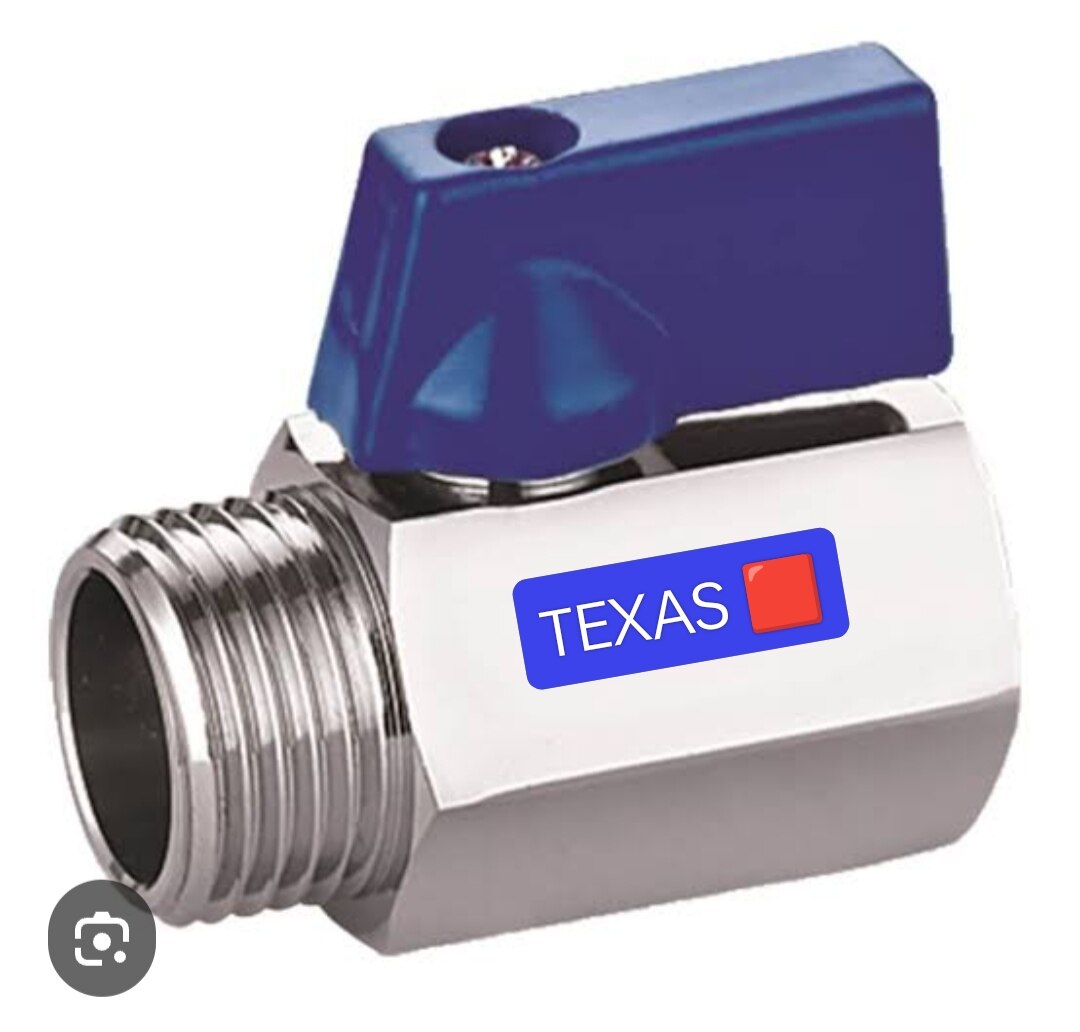 | BRASS MINI BALL VALVE TEXAS🟥 FORGED BRASS MINI BALL VALVE TEXAS 🟥 BRASS MINI BALL VALVE View product → |
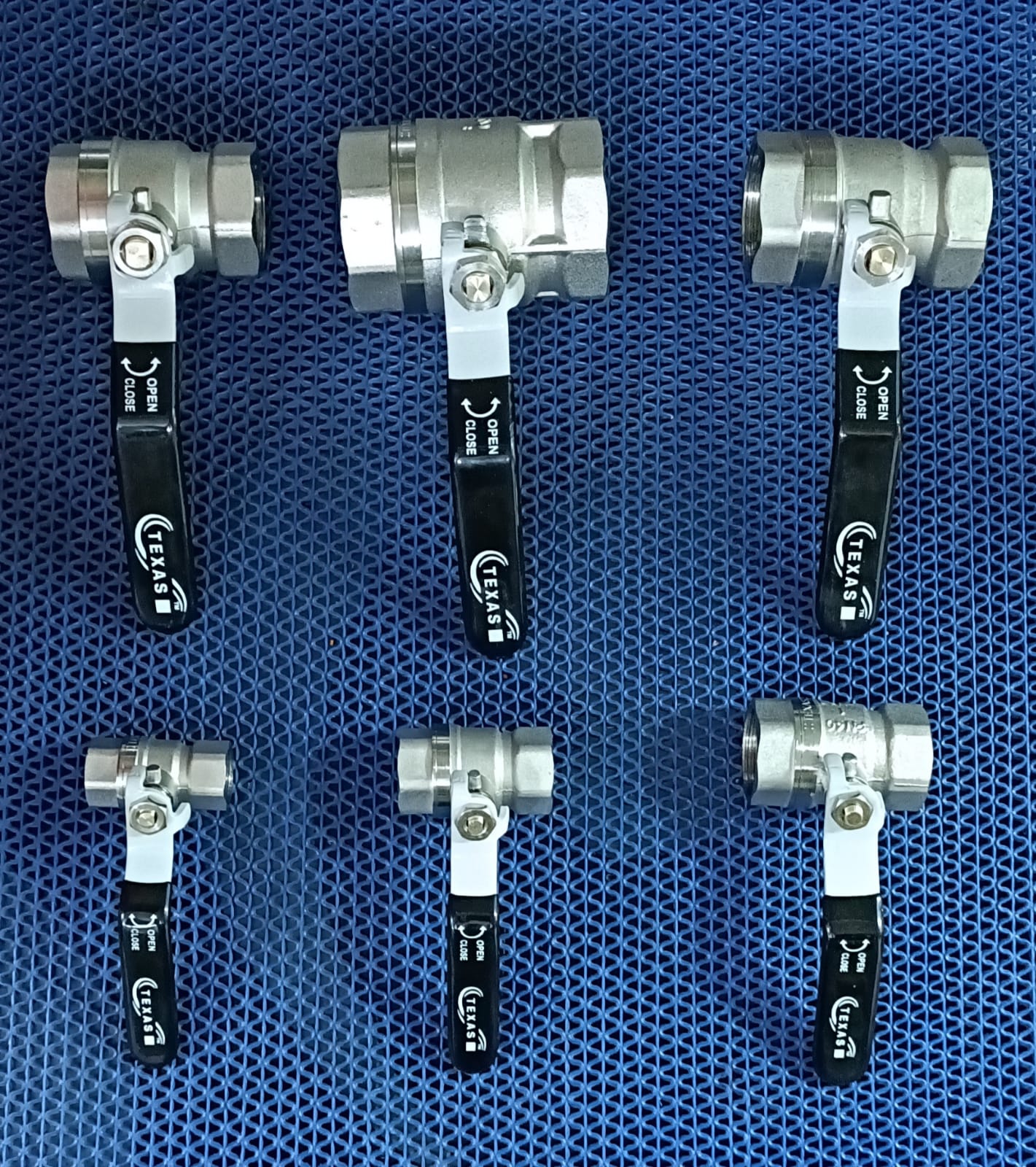 | Brass Ball Valves Forged Brass Ball Valves Texas Valves India pn 40 kg Pressure rating... make in india innovation... View product → |
 | BRASS MINI BALL VALVE TEXAS🟥 MINI BALL VALVE View product → |
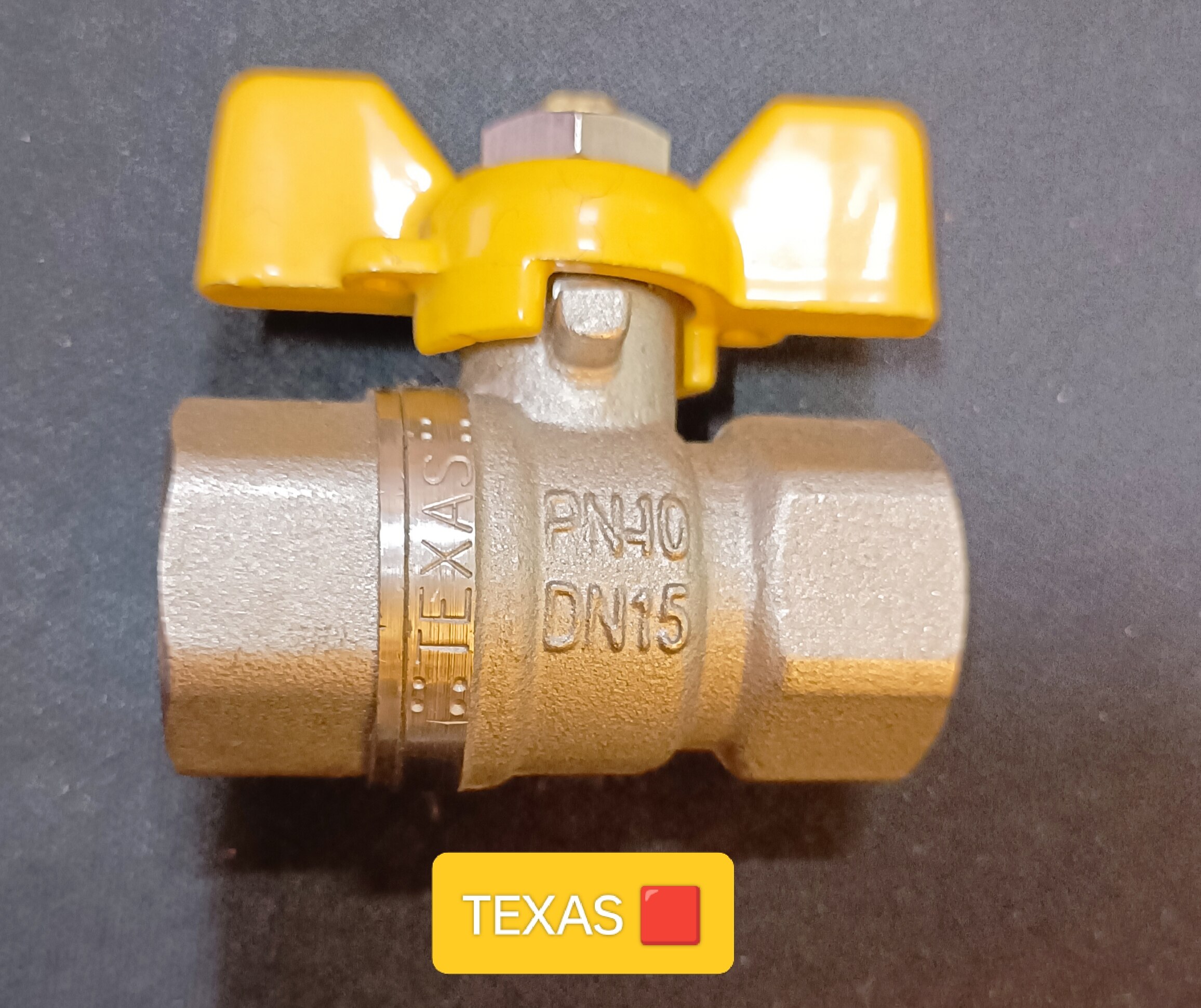 | BUTTERFLY HANDLE BALL VALVE TEXAS 🟥 FORGED BRASS BUTTERFLY HANDLE BALL VALVE THREADED TEXAS 🟥 FORGED BRASS BUTTERFLY HANDLE BALL VALVE THREADED View product → |
Keywords