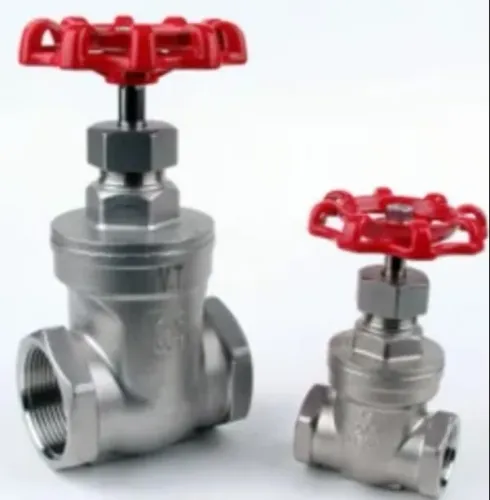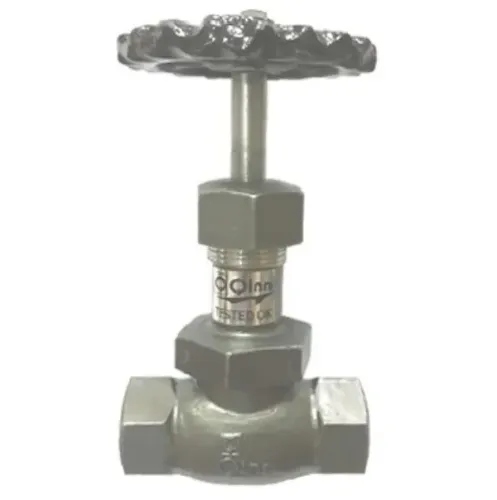
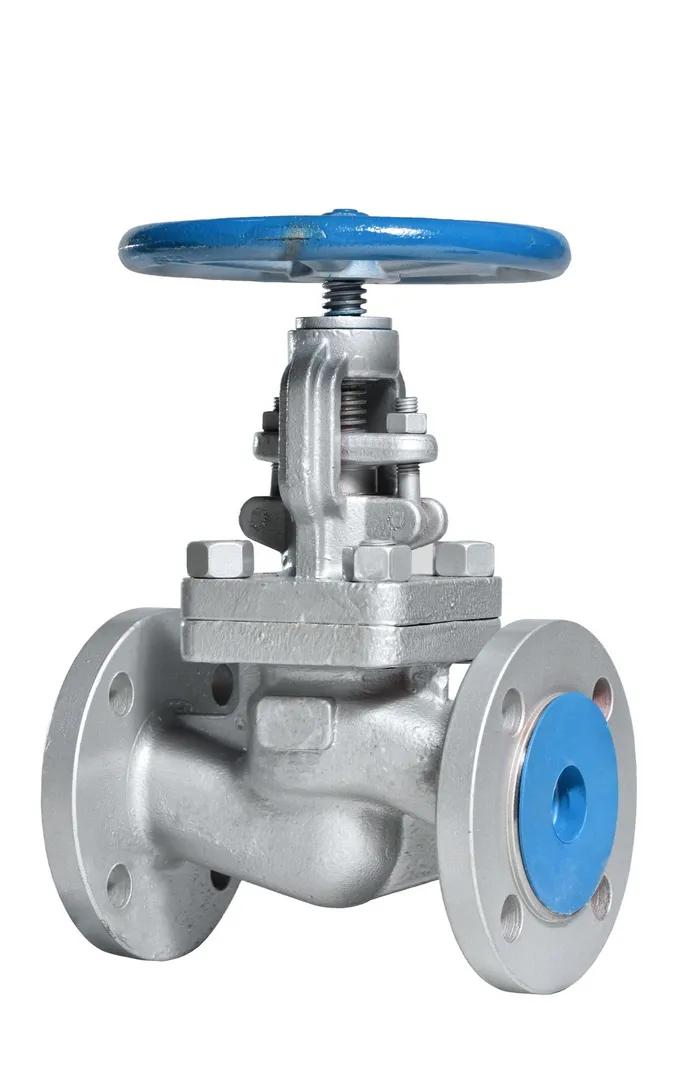
Some piping systems require a valve primarily for full opening or complete isolation rather than frequent throttling. SS gate valves are one option used for this type of service, particularly where stainless steel construction is appropriate for the process environment.
Understanding how these valves operate helps engineers and buyers avoid using them for duties better suited to another valve design.
How a Gate Valve Controls Flow
A gate valve uses a gate or wedge that moves into and out of the flow path.
When fully opened, the gate is withdrawn from the primary flow path. When closed, it moves into position to isolate the line.
This linear operating principle is different from quarter-turn valves such as ball and butterfly valves.
Gate valves are generally associated with isolation service. Using them continuously in partly open positions can create undesirable flow conditions and may contribute to wear, vibration, or damage depending on the application.
Why Stainless Steel Construction May Be Selected
Stainless steel can be useful where the process fluid or external environment requires corrosion-resistant materials.
However, the term 'SS gate valve' still leaves several specification questions unanswered. Buyers may need to determine the stainless steel grade, pressure class, end connections, trim materials, seat arrangement, bonnet construction, and applicable standards.
For process industries operating in Mumbai and Maharashtra, these factors can become particularly important where piping carries chemicals, process water, steam, or other industrial media.
Gate Valve Selection Factors
Before ordering, establish the actual service conditions.
Important information includes:
- Pipeline size
- Fluid or gas being handled
- Normal and maximum pressure
- Operating temperature
- Required material grade
- Flanged, threaded, or other connection
- Manual or actuated operation
- Relevant project or industry standard
The frequency of operation also matters. A valve that remains open for long periods and is closed mainly for maintenance isolation has different operating demands from one that cycles repeatedly.
Installation and Maintenance Considerations
Gate valves require sufficient clearance for stem and handwheel movement, depending on their construction. This should be considered during piping layout.
Correct installation orientation, flange alignment, support, bolt tightening, and cleanliness of the pipeline can also influence valve performance.
For maintenance teams, access to the packing area, stem, handwheel, bonnet, and surrounding pipework should be considered before the installation is finalized.
Industrial buyers sourcing SS gate valves in Mumbai through companies such as Navkar Enterprises - Texas Valves can make technical discussions more productive by supplying these operating details from the beginning.
Selecting a gate valve is therefore not simply a matter of matching the pipeline diameter. Material grade, pressure, temperature, media, operating frequency, and installation arrangement collectively determine whether a particular SS gate valve is appropriate.
Keywords