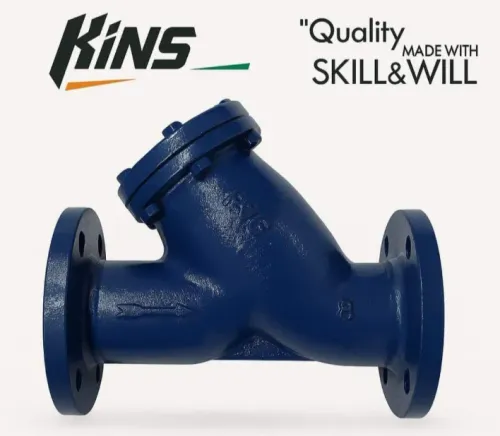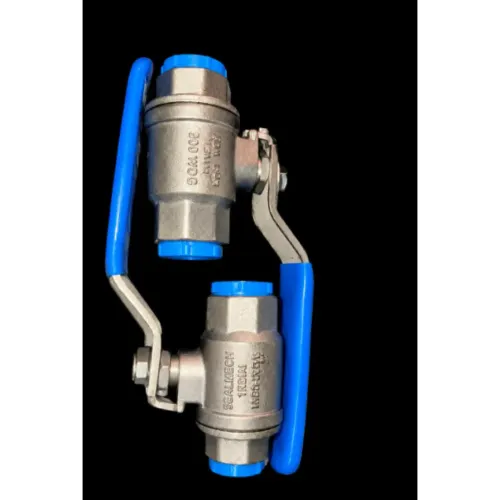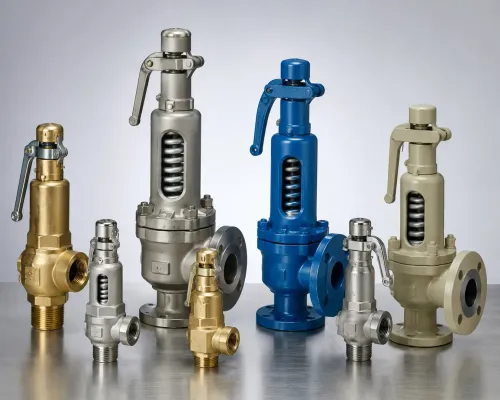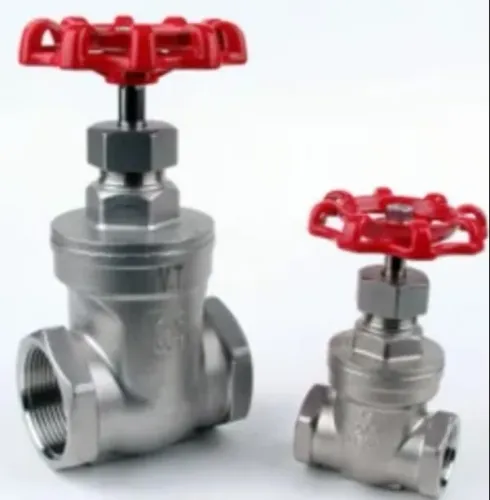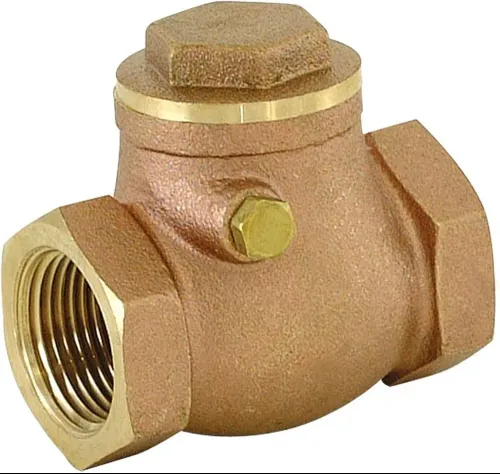
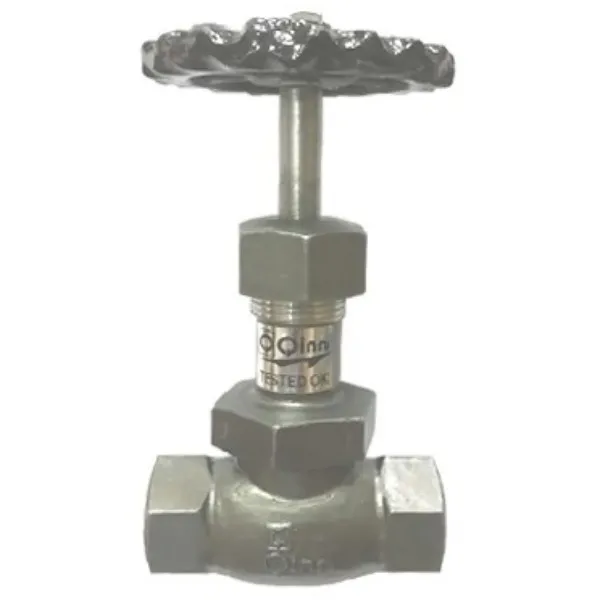
Gate and globe valves may appear together in industrial valve catalogues, but they perform differently inside a piping system. When the application requires regulating rather than simply isolating flow, globe valves are often evaluated because their internal design provides a different approach to controlling fluid movement.
Understanding this difference can prevent a common specification error.
The Main Difference Is the Intended Function
Gate valves are typically associated with isolation. Their gate moves into or out of the flow path, making them useful where the requirement is substantially open or closed operation.
A globe valve uses a movable disc or plug positioned relative to a stationary seat. Changing this position modifies the available flow area.
This makes the design more suitable for applications where controlled flow adjustment is required, subject to the particular valve and system design.
When a Globe Valve May Make More Sense
A globe valve can be considered when operators need more than simple shut-off.
Potential applications include:
- Flow regulation
- Process control lines
- Utility systems
- Cooling or heating circuits
- Selected steam applications
- Systems requiring controlled manual adjustment
The trade-off is that the internal flow path generally creates a higher pressure drop than a straight-through valve design.
For engineers, that pressure loss should be considered during system design.
What Buyers Should Compare
Choosing a globe valve based only on nominal diameter can create problems.
Compare the following:
Body material: It must suit the media and environment.
Pressure class: The valve needs to meet the system's pressure requirements.
Temperature capability: Body, trim, packing, and seat materials should all be considered.
End connections: Flanged, screwed, welded, and other designs serve different piping arrangements.
Trim: Internal components interact directly with the process medium and can influence service suitability.
Flow direction: Installation should follow the manufacturer's specified direction where applicable.
Common Selection Mistakes
One mistake is using a valve intended mainly for isolation where accurate regulation is required.
Another is choosing a globe valve without considering the pressure drop it introduces.
Procurement teams may also focus heavily on body material while overlooking trim, packing, seat construction, and operating temperature.
In Mumbai's manufacturing, utility, process, and infrastructure sectors, these seemingly small differences can affect maintenance and system performance.
When discussing globe valves with Navkar Enterprises - Texas Valves, buyers can improve product matching by providing process medium, temperature, pressure, pipeline size, connection requirements, and whether the valve is intended for isolation or regulation.
The useful comparison is therefore not simply 'globe valve versus gate valve.' It is a comparison between what the piping system needs the valve to do and how each valve design performs that function.
Keywords