Reverse flow can interfere with pumps, process stability, equipment protection, and normal pipeline operation. A check valve is designed to allow flow primarily in one direction and restrict reverse movement when operating conditions change.
Yet selecting one requires more than matching the connection size to the pipeline.
Start With the Cause of Reverse Flow
Check valves are generally self-acting. They respond to pressure and flow conditions rather than requiring an operator to manually close them during normal service.
When forward flow is sufficient, the closure element opens. When flow decreases or reverses, the valve moves toward its closed position.
The actual behaviour depends on valve type, installation, velocity, orientation, and system dynamics.
Different Designs Behave Differently
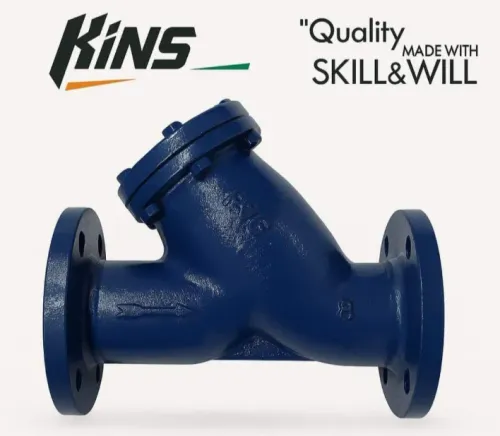
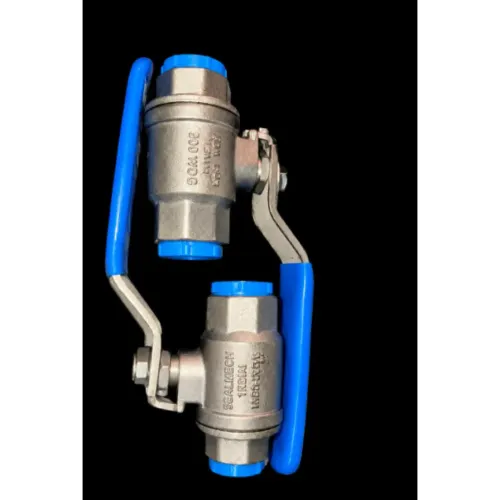
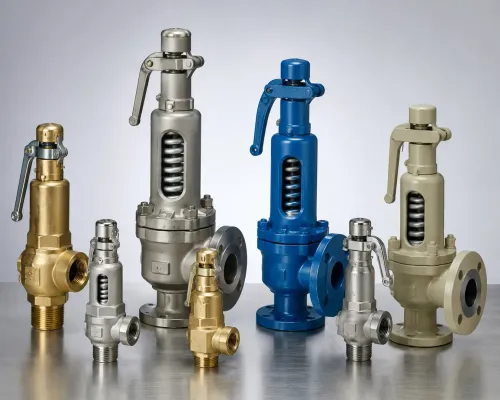
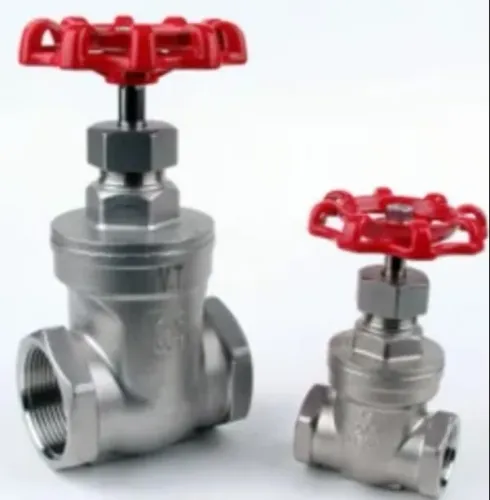
Several non-return valve configurations are available for industrial systems.
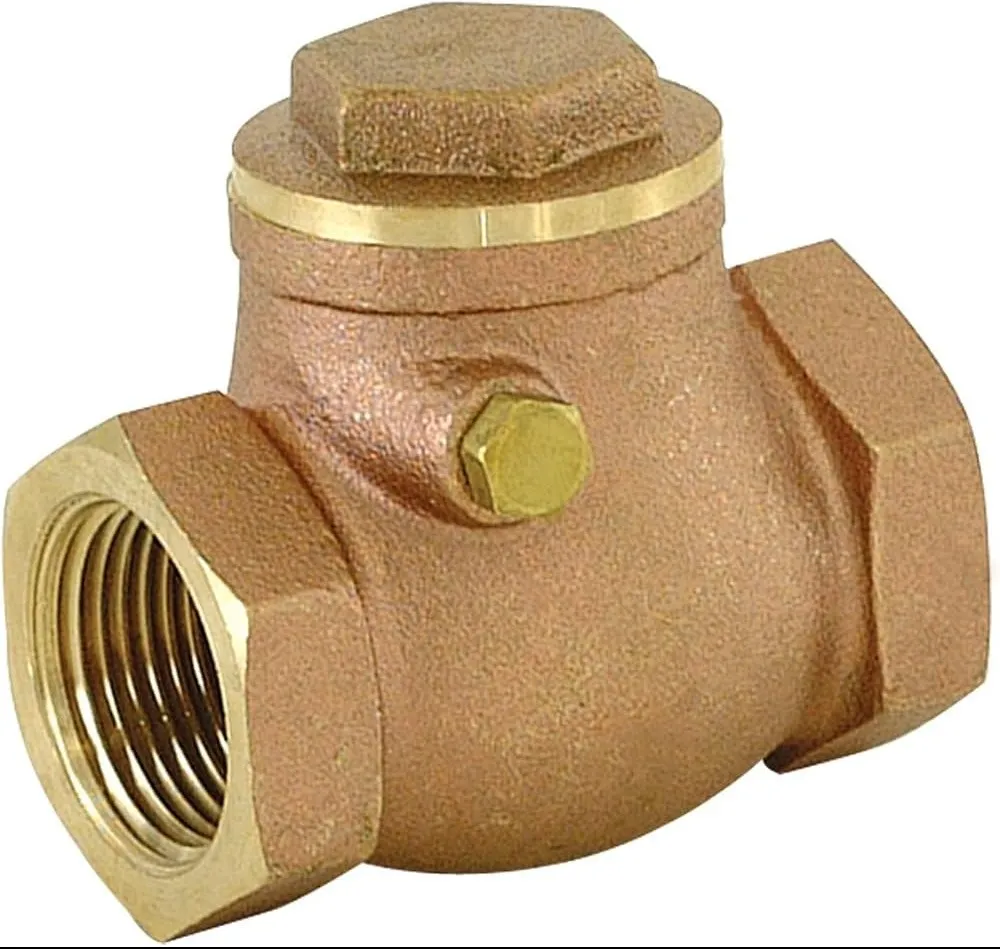
A swing check valve uses a hinged disc. Other designs may use lift, spring-assisted, wafer, or dual-plate arrangements.
Rather than asking which check valve is 'best,' buyers should ask which mechanism suits their particular system.
Consider:
- Fluid properties
- Flow velocity
- Pipeline orientation
- Available installation space
- Pressure drop
- Pump operating characteristics
- Frequency of flow changes
- Required closing response
Watch for Water Hammer and Valve Slam
Reverse-flow prevention is only one part of the problem.
In some systems, rapid changes in velocity can create pressure transients. An incorrectly selected or poorly positioned non-return valve can contribute to undesirable closing behaviour.
Valve closing characteristics therefore matter, particularly in pumping systems.
A system engineer may need to assess pipe length, velocity, pump characteristics, elevation differences, and transient conditions rather than expecting the valve alone to correct an underlying hydraulic problem.
Common Buying Mistakes
Industrial procurement teams should avoid selecting a check valve solely on:
- Lowest purchase price
- Nominal pipe size
- Previous use in an unrelated pipeline
- External dimensions
- Generic material descriptions
Instead, confirm the media, pressure, temperature, flow direction, expected velocity, body material, internal construction, and connection standard.
This is especially relevant to industrial facilities in Mumbai and surrounding Maharashtra manufacturing zones, where the same plant may contain water, air, steam, chemical, and utility lines requiring different valve specifications.
For requirements discussed with Navkar Enterprises - Texas Valves, supplying complete operating parameters can help identify an appropriate check-valve configuration before procurement.
A well-selected check valve works as part of the hydraulic system. Understanding how the pipeline behaves during normal operation, shutdown, and flow reversal is therefore more valuable than choosing a valve from size alone.
Keywords