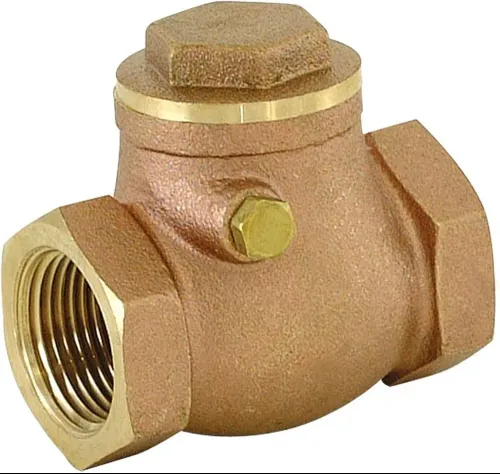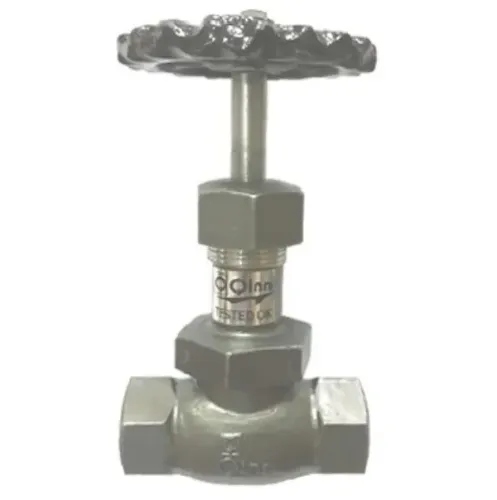
Industrial piping systems demand components that can withstand challenging operating conditions without compromising safety or efficiency. One of the most dependable choices is the stainless steel ball valve, widely used for handling liquids, gases, steam, and corrosive media across numerous industries.
SS Ball Valves have become a preferred solution because they combine strength, corrosion resistance, and long operational life. Industrial facilities throughout Mumbai rely on quality stainless steel valves for dependable process control, and suppliers like Navkar Enterprises - Texas Valves (India) offer options designed for demanding applications.
What Is an SS Ball Valve?
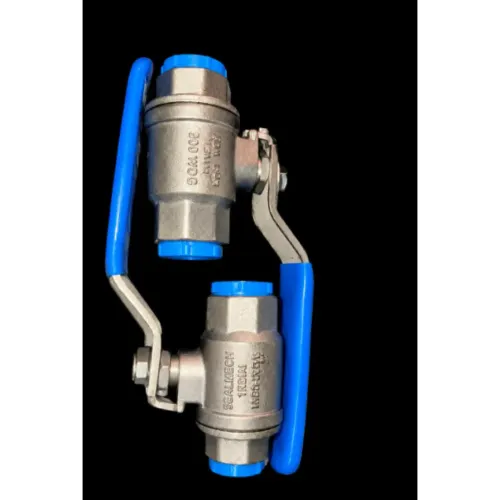
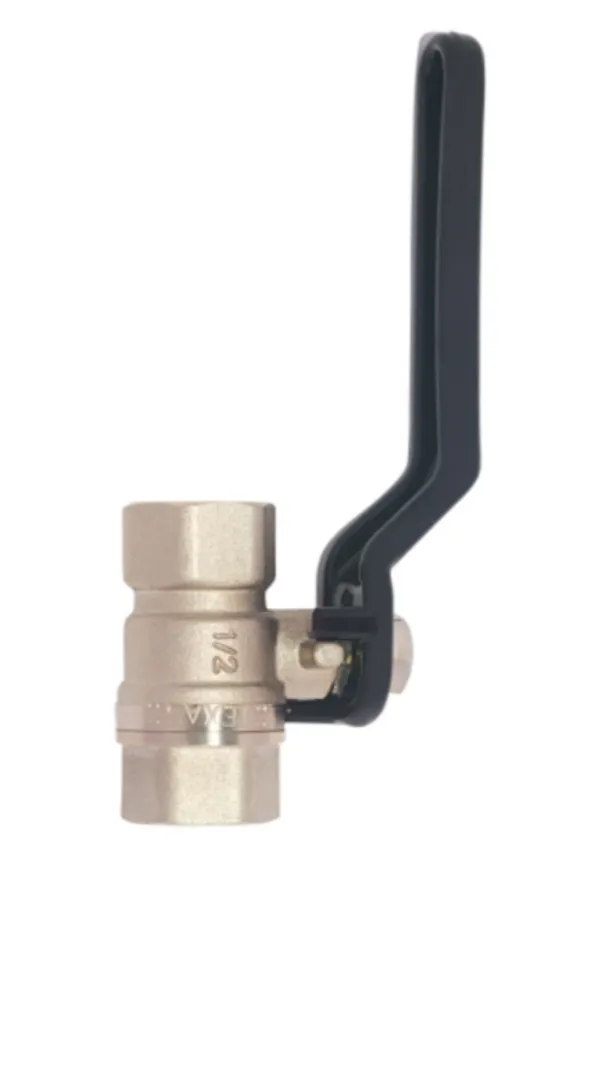
An SS Ball Valve is a quarter-turn valve made from stainless steel. Inside the valve is a precision-engineered ball with a central opening. Rotating the handle controls whether the pipeline remains open or closed.
The simple design ensures reliable sealing while allowing fast operation.
Why Stainless Steel Is Preferred
Unlike conventional materials, stainless steel provides excellent protection against rust, oxidation, and chemical exposure.
Some of its major advantages include:
- High corrosion resistance
- Excellent mechanical strength
- Longer operational life
- Better hygiene for sensitive industries
- Resistance to high temperatures
- Lower maintenance requirements
These characteristics make stainless steel suitable for both indoor and outdoor industrial environments.
Applications Across Different Industries
SS Ball Valves are commonly found in:
Pharmaceutical Manufacturing
Clean and hygienic fluid handling is critical in pharmaceutical production.
Food and Beverage Plants
Stainless steel meets stringent cleanliness requirements while resisting contamination.
Chemical Processing
Many chemicals require corrosion-resistant valve materials for safe handling.
Water Treatment Facilities
Valves operate reliably despite constant exposure to water and treatment chemicals.
Oil and Gas
Stainless steel offers durability under demanding pressure and temperature conditions.
Features to Look For
When evaluating SS Ball Valves, consider:
- Material grade (such as SS304 or SS316)
- Pressure rating
- Temperature capability
- Valve size
- Port configuration
- End connection type
- Manufacturing standards
Choosing the correct specification ensures optimum performance throughout the valve's service life.
Common Mistakes Buyers Make
Some purchasing decisions are based solely on price. However, overlooking technical specifications can lead to premature failure.
Avoid these common mistakes:
- Selecting incorrect material grades
- Ignoring operating pressure
- Using unsuitable valve sizes
- Purchasing from unreliable sources
- Skipping compatibility checks
A careful evaluation saves both maintenance costs and production downtime.
Maintenance Best Practices
Although SS Ball Valves require relatively little maintenance, routine inspections remain important.
Recommended practices include:
- Checking seals for wear
- Operating the valve periodically
- Inspecting for corrosion in aggressive environments
- Cleaning external surfaces
- Replacing damaged components promptly
These simple measures can significantly extend operational life.
Why Quality Matters
Industrial operations depend on consistent valve performance. Poor-quality valves can result in leakage, shutdowns, and increased maintenance expenses.
Choosing well-manufactured SS Ball Valves helps improve process reliability, reduce operating costs, and ensure smooth production across a wide range of industrial applications in Mumbai and beyond.
Keywords