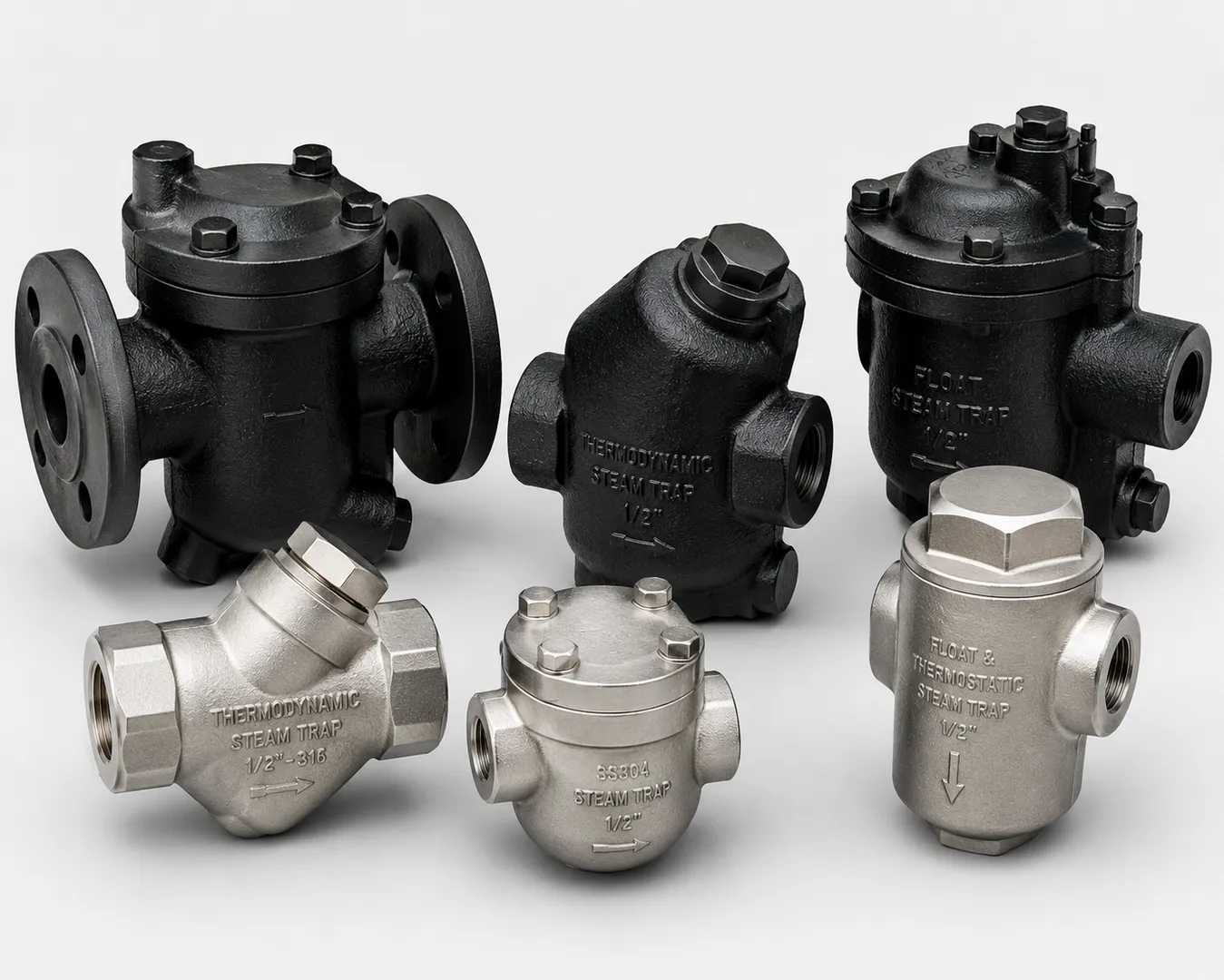
An efficient steam system depends on more than just boilers and pipelines. One often-overlooked component is the Steam Trap, which removes condensate while preventing valuable steam from escaping. Choosing the correct steam trap improves energy efficiency, protects equipment, and reduces operating costs.
Before purchasing, it is important to understand how different steam traps work and which type best suits your application.
Why Steam Traps Are Essential
As steam travels through a piping system, it naturally cools and forms condensate.
If this condensate is not removed, it can cause:
- Reduced heat transfer
- Water hammer
- Corrosion
- Equipment damage
- Increased fuel consumption
A properly selected steam trap continuously removes condensate without wasting live steam.
Common Types of Steam Traps
Mechanical Steam Traps
These use a float or bucket mechanism to discharge condensate automatically.
Best suited for:
- Heat exchangers
- Process equipment
- Continuous condensate removal
Thermodynamic Steam Traps
These operate using pressure differences created by steam and condensate.
Suitable for:
- High-pressure systems
- Steam mains
- Outdoor installations
Thermostatic Steam Traps
These respond to temperature differences and release condensate once it cools.
Common applications include:
- Tracing lines
- Light process loads
- Heating systems
Factors to Consider Before Purchasing
Every steam application is different, so evaluate:
- Operating pressure
- Steam load
- Condensate volume
- Startup conditions
- Maintenance accessibility
- Environmental conditions
Choosing the wrong steam trap can reduce efficiency and increase maintenance costs.
Signs You May Need a Replacement
A steam trap should be inspected if you notice:
- Steam leakage
- Excessive condensate
- Water hammer
- Slow equipment heating
- Increased fuel consumption
Regular testing helps identify faulty traps before they affect production.
Why Supplier Expertise Matters
Steam systems involve multiple interconnected components. Working with a supplier familiar with industrial steam applications helps ensure the selected steam trap matches the operating conditions.
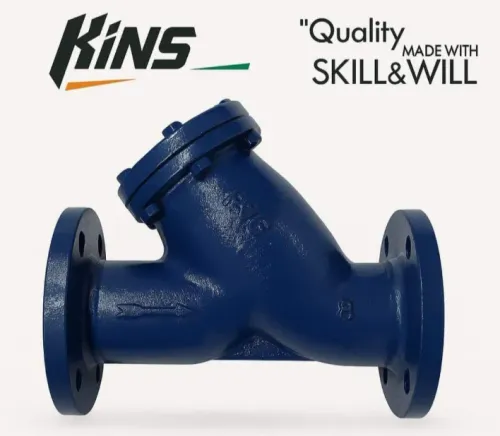
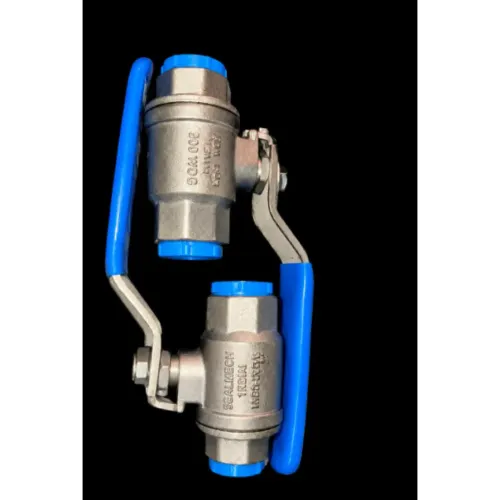
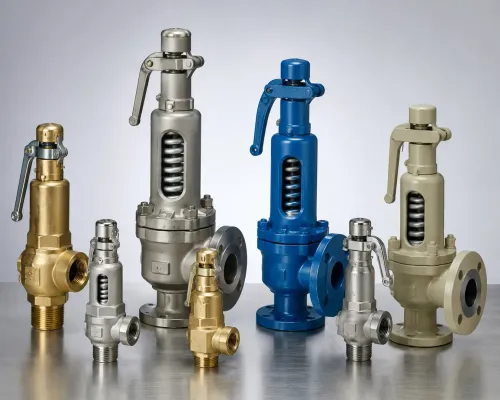
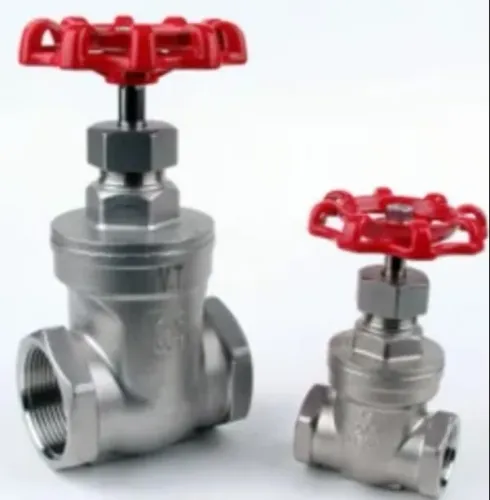
Experienced suppliers can also recommend compatible valves, strainers, and pressure instruments when required.
Benefits of Buying from an Established Supplier
Industrial buyers in Mumbai often prefer suppliers that provide:
- Multiple steam trap options
- Technical guidance
- Consistent product quality
- Timely delivery
- Reliable stock availability
This simplifies procurement and reduces project delays.
Making a Long-Term Investment
Companies such as Navkar Enterprises - Texas Valves (India) support industrial customers with steam control products designed for demanding applications. Selecting the right steam trap from a knowledgeable supplier contributes to lower energy consumption, improved process efficiency, and reduced maintenance over the life of the steam system.
Keywords