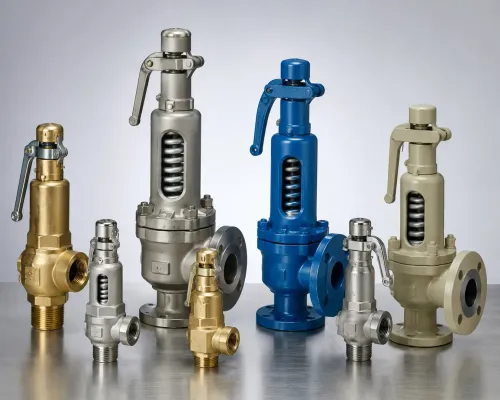
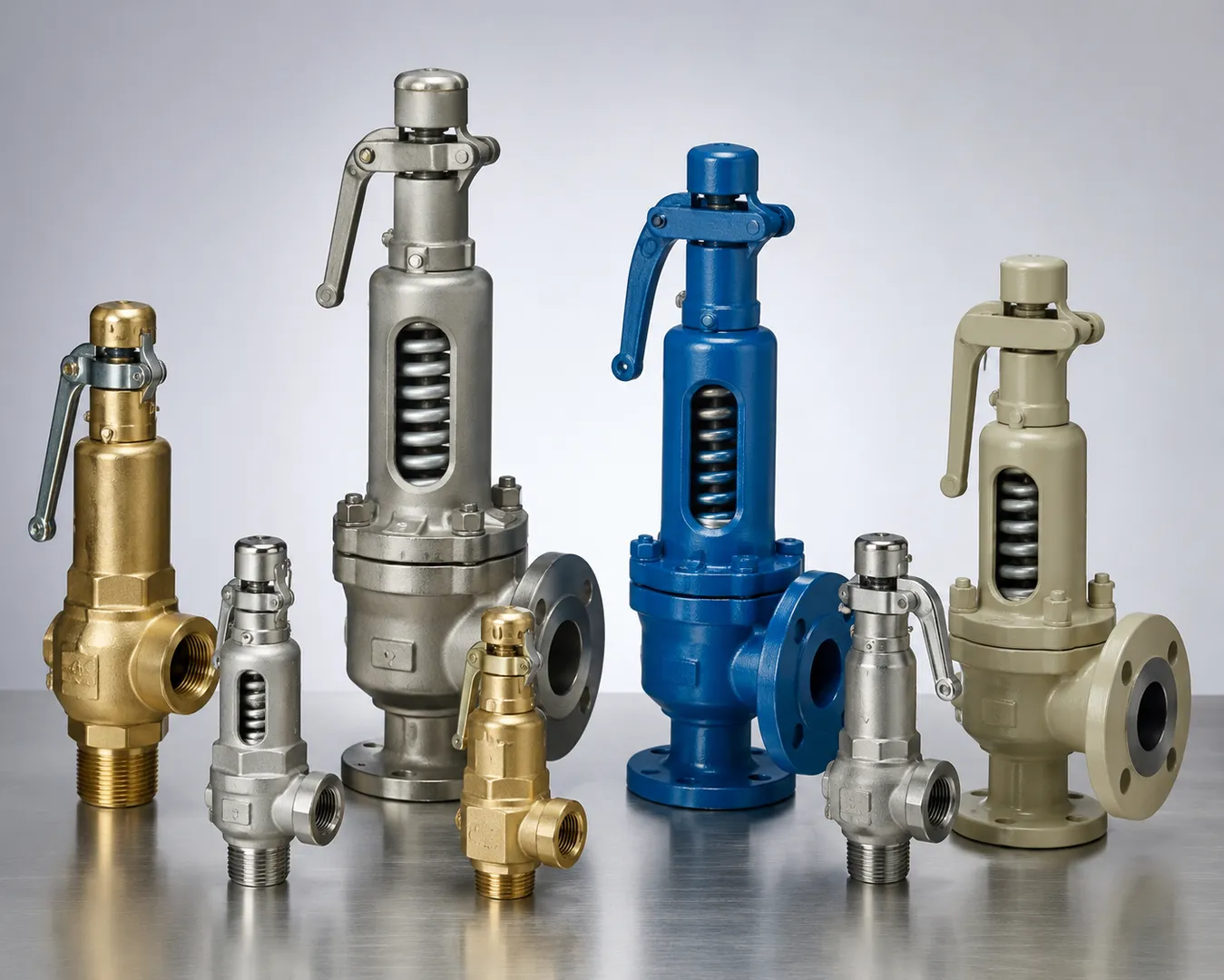
Safety valves are among the most important protective devices in any pressurized system. They automatically release excess pressure before equipment reaches dangerous operating conditions, helping prevent accidents, equipment failure, and production losses.
Despite their importance, safety valves are sometimes overlooked until performance issues become obvious. Recognizing the warning signs early allows businesses to maintain safer and more efficient operations.
Why Safety Valves Matter
Pressure can increase unexpectedly due to:
- Equipment malfunction
- Thermal expansion
- Blocked pipelines
- Steam accumulation
- Pump failures
A properly functioning Safety Valve protects equipment, personnel, and production processes from excessive pressure.
Warning Signs That Should Not Be Ignored
Frequent Pressure Fluctuations
If system pressure varies more than expected, the safety valve should be inspected.
Visible Leakage
Continuous leakage around the valve may indicate worn internal components or improper seating.
Corrosion
Rust and corrosion weaken valve integrity and reduce long-term reliability.
Delayed Valve Response
A safety valve should open at its specified pressure setting. Delayed activation requires immediate attention.
Repeated Maintenance Issues
If repairs become frequent, replacement may be more cost-effective than ongoing maintenance.
Factors That Affect Valve Performance
Several operating conditions influence service life:
- High temperatures
- Corrosive media
- Frequent pressure cycling
- Poor maintenance
- Incorrect valve sizing
Understanding these factors helps improve equipment reliability.
Inspection Best Practices
Regular inspections should include:
- Checking for external damage
- Testing pressure settings
- Inspecting sealing surfaces
- Verifying spring performance
- Reviewing maintenance records
Scheduled preventive maintenance reduces the likelihood of unexpected failures.
Choosing the Correct Replacement
When replacing a safety valve, evaluate:
- Operating pressure
- Temperature limits
- Valve capacity
- Applicable standards
- Material compatibility
- Installation requirements
Selecting an identical replacement without reviewing current operating conditions may not always be the best approach.
Industries That Depend on Safety Valves
Safety valves are widely used in:
- Boiler systems
- Steam plants
- Chemical manufacturing
- Food processing
- Oil and gas
- Pharmaceutical production
- Power generation
These industries rely on pressure protection to maintain safe and uninterrupted operations.
Working with an Experienced Supplier
Industrial buyers in Mumbai often seek suppliers that offer certified products, technical assistance, and consistent manufacturing quality. Navkar Enterprises - Texas Valves (India) supplies industrial safety valves suitable for diverse applications, helping businesses maintain dependable pressure protection while meeting operational requirements.
A well-maintained safety valve is more than a regulatory requirement—it is an essential safeguard for people, equipment, and production continuity.
Keywords