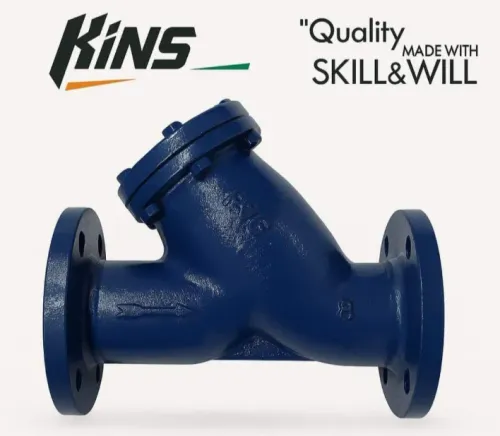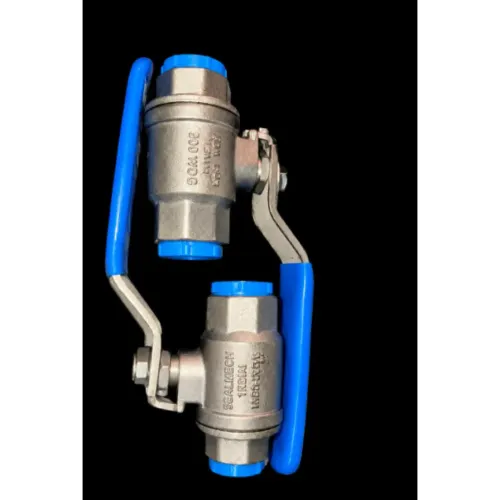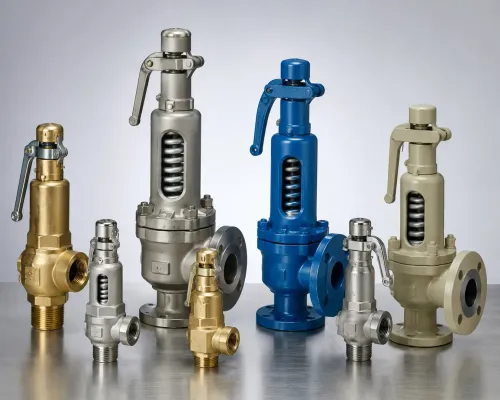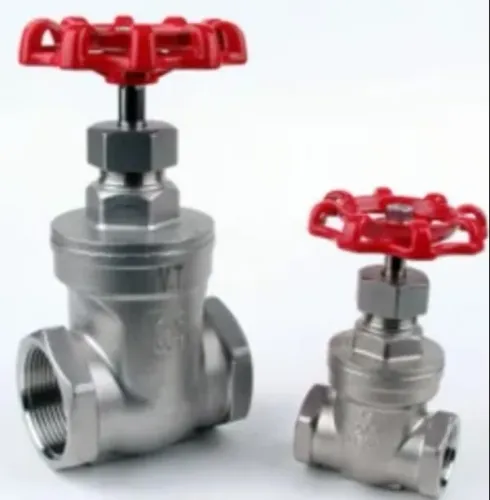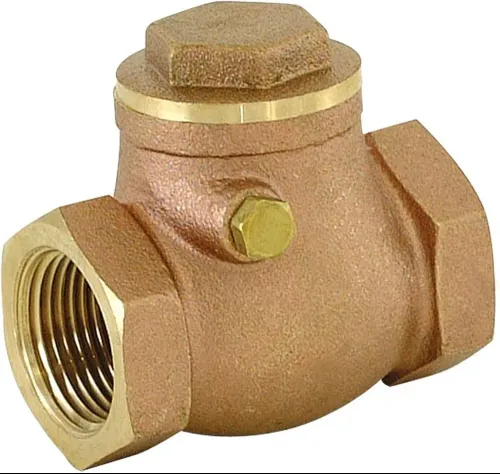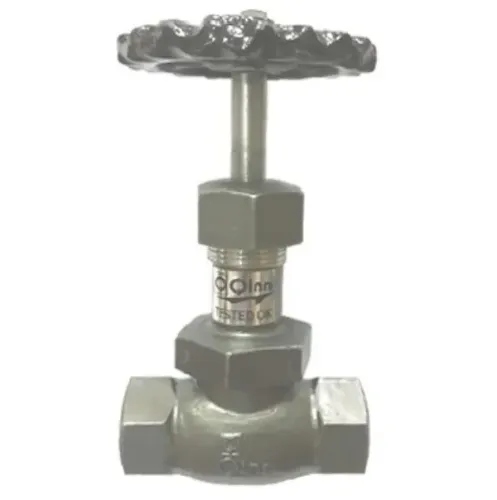
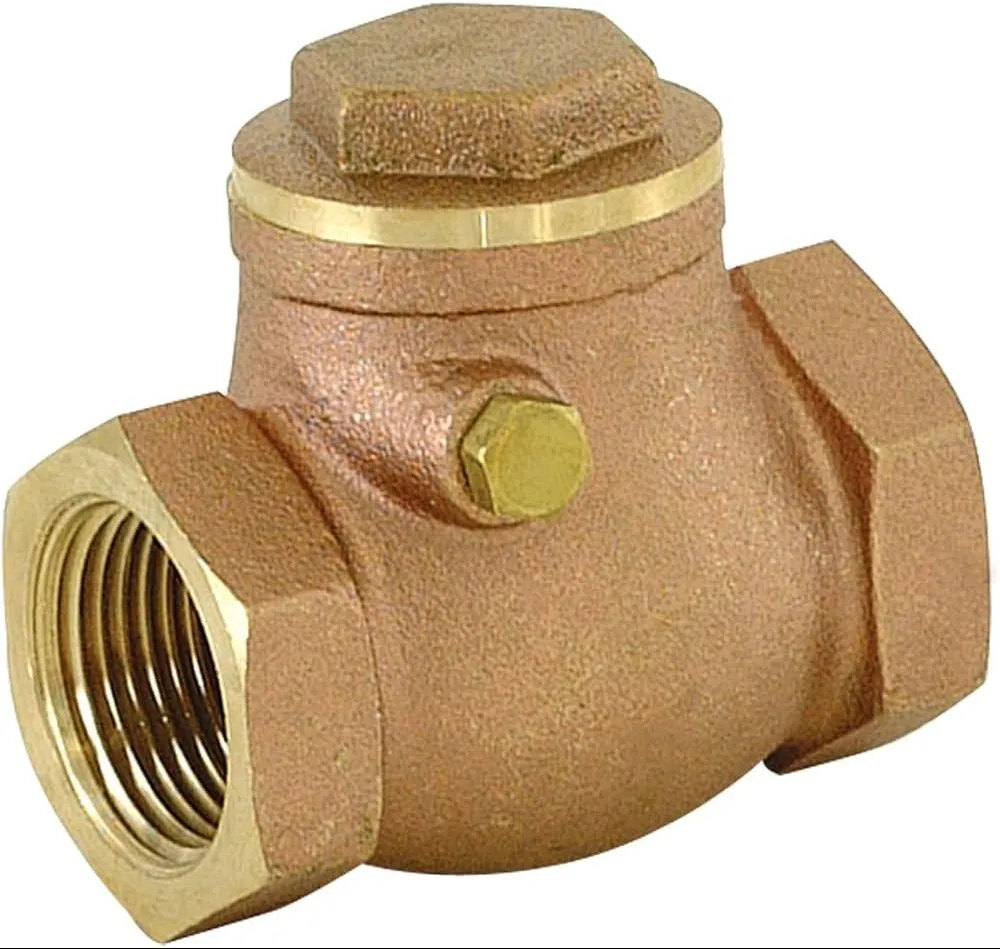
A check valve may appear to be a simple pipeline component, but it performs an essential role in protecting equipment and maintaining process efficiency. Its primary function is to allow fluid to flow in one direction while preventing reverse flow that can damage pumps, compressors, and other critical equipment.
Choosing the correct Check Valve depends on several technical factors, and understanding these differences can prevent costly operational issues.
Why Reverse Flow Is a Problem
When fluid flows backward through a pipeline, it can result in:
- Pump damage
- Water hammer
- Equipment wear
- System contamination
- Reduced operational efficiency
Installing the appropriate check valve minimizes these risks and improves system reliability.
Common Types of Check Valves
Different applications require different designs.
Swing Check Valve
Uses a hinged disc that swings open with forward flow.
Best suited for:
- Water systems
- Low-pressure pipelines
- Large diameter installations
Lift Check Valve
The disc lifts vertically as pressure increases.
Ideal for:
- Steam systems
- High-pressure applications
- Process industries
Dual Plate Check Valve
Features two spring-loaded plates for quick response.
Commonly used in:
- Compact piping layouts
- Industrial processing
- High-flow systems
Wafer Check Valve
Lightweight and space-saving.
Suitable for:
- HVAC
- Water treatment
- Utility services
Important Buying Considerations
Before selecting a check valve, review:
- Flow direction
- Operating pressure
- Fluid characteristics
- Installation orientation
- Pipe size
- Temperature requirements
Ignoring these specifications can lead to premature valve failure.
Signs Your Existing Check Valve Needs Replacement
Routine inspections should look for:
- Continuous leakage
- Excessive vibration
- Loud closing noises
- Reduced flow performance
- Corrosion
- Sticking internal components
Replacing a worn valve before complete failure helps avoid expensive repairs.
Common Installation Mistakes
Industrial maintenance teams should avoid:
- Installing against the flow direction
- Selecting incorrect valve size
- Ignoring pressure ratings
- Using incompatible materials
- Skipping routine inspections
Proper installation has a direct impact on valve performance.
Applications Across Industries
Check valves are widely used in:
- Chemical plants
- Food processing
- Water treatment
- Fire protection
- HVAC systems
- Pharmaceutical manufacturing
- Oil and gas facilities
Each industry may require different materials and pressure ratings depending on operating conditions.
Making the Right Investment
Reliable valve performance starts with selecting products manufactured to recognized quality standards. Industrial buyers in Mumbai often prefer experienced suppliers that provide technical guidance, product variety, and dependable quality. Providers such as Navkar Enterprises - Texas Valves (India) support industries with check valves designed for a wide range of applications, helping businesses improve operational safety and reduce maintenance costs.
Keywords