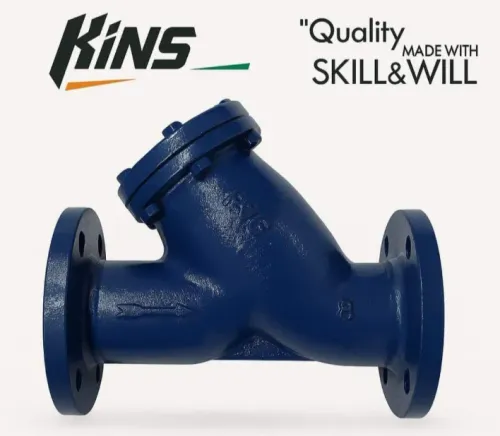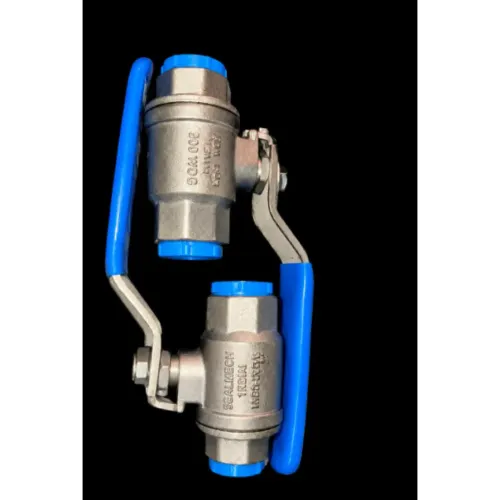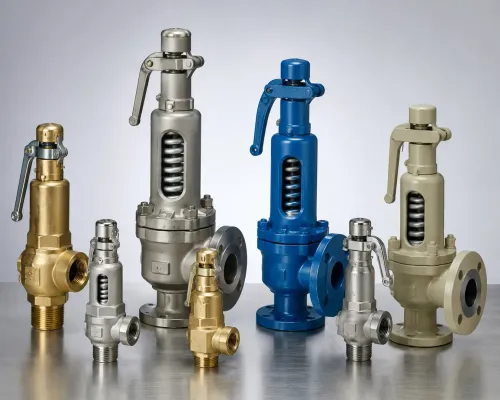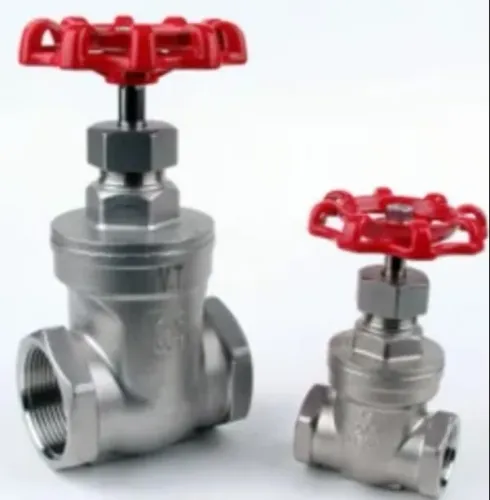
Steam systems operate under high pressure and temperature, making valve selection a critical part of plant safety and performance. Using the correct IBR Certified Valves helps industries comply with regulatory requirements while ensuring reliable operation in demanding environments.
Whether you are expanding an existing steam network or planning a new installation in Mumbai, understanding IBR-certified valves can simplify the selection process.
What Does IBR Certification Mean?
IBR stands for the Indian Boiler Regulations, which establish standards for equipment used in boiler and steam applications.
An IBR-certified valve is manufactured, tested, and approved according to these regulations, making it suitable for specified steam services.
Where Are IBR Certified Valves Used?
These valves are commonly installed in:
- Boiler houses
- Steam distribution lines
- Thermal power plants
- Food processing industries
- Textile manufacturing
- Pharmaceutical facilities
- Chemical processing units
Any application involving regulated steam systems may require IBR-compliant components.
Why Certification Matters
Using certified valves offers several advantages:
- Compliance with regulatory standards
- Improved operational safety
- Reliable performance under high pressure
- Better documentation for inspections
- Reduced operational risks
Certification also provides greater confidence in product quality and manufacturing consistency.
Choosing the Right Valve
Before purchasing, consider the following:
Operating Pressure
Ensure the valve is rated above the maximum working pressure.
Steam Temperature
High-temperature steam requires suitable materials and sealing components.
Valve Type
Different applications may require:
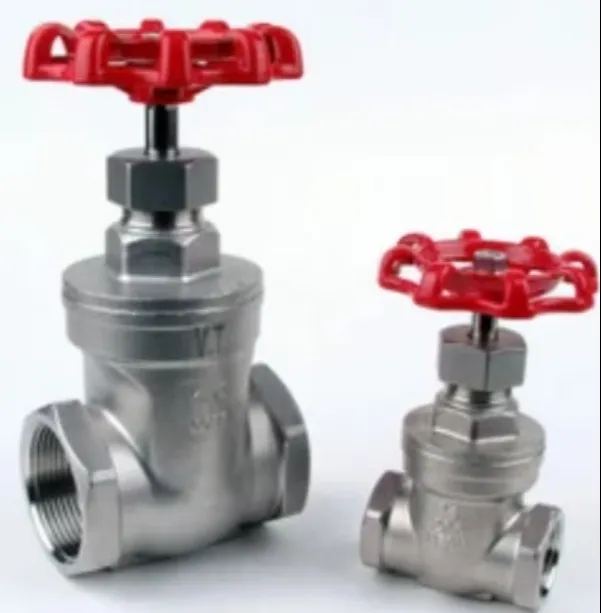
- Gate valves
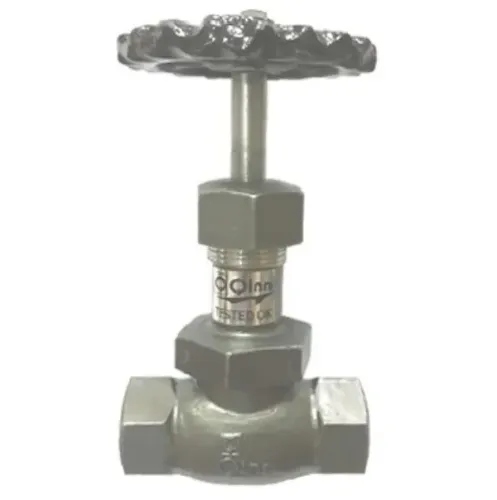
- Globe valves
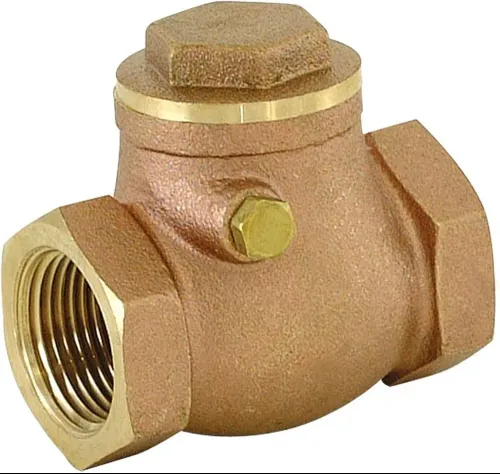
- Check valves
- Safety valves
The choice depends on whether isolation, regulation, or pressure protection is required.
Material Quality
High-quality forged or cast materials improve durability under demanding conditions.
Questions to Ask Before Buying
- Is the valve IBR certified?
- Does it match the pressure class?
- Is it suitable for saturated or superheated steam?
- Are certification documents available?
- Does it comply with current project specifications?
These questions help avoid costly procurement mistakes.
Maintenance Considerations
Even certified valves require periodic inspection.
Recommended practices include:
- Checking for steam leakage
- Monitoring pressure performance
- Inspecting moving components
- Replacing worn seals
- Following scheduled maintenance intervals
Proper maintenance extends service life and supports safe operation.
Selecting a Trusted Supplier
Industrial projects depend on reliable products backed by technical expertise. Businesses in Mumbai often work with established suppliers that understand steam applications and provide quality documentation along with certified products. Navkar Enterprises - Texas Valves (India) supplies IBR-certified industrial valves designed to meet the performance expectations of modern steam systems.
Choosing the right IBR-certified valve today can contribute to safer operations, better compliance, and improved long-term reliability across industrial facilities.
Keywords