Industrial piping systems depend on valves that can provide dependable shut-off, withstand operating conditions, and remain practical to maintain. Texas brass ball valves are commonly considered for applications where compact construction, straightforward operation, and reliable flow isolation are important.
For industrial buyers, contractors, maintenance teams, and engineering companies in Mumbai, understanding where brass ball valves fit within a piping system can help prevent unsuitable valve selection and unnecessary maintenance later.
How a Brass Ball Valve Works
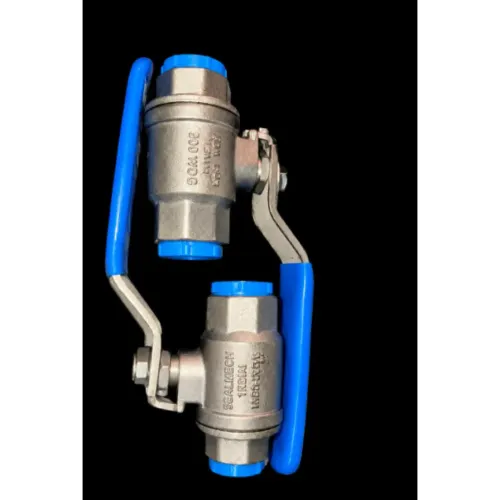
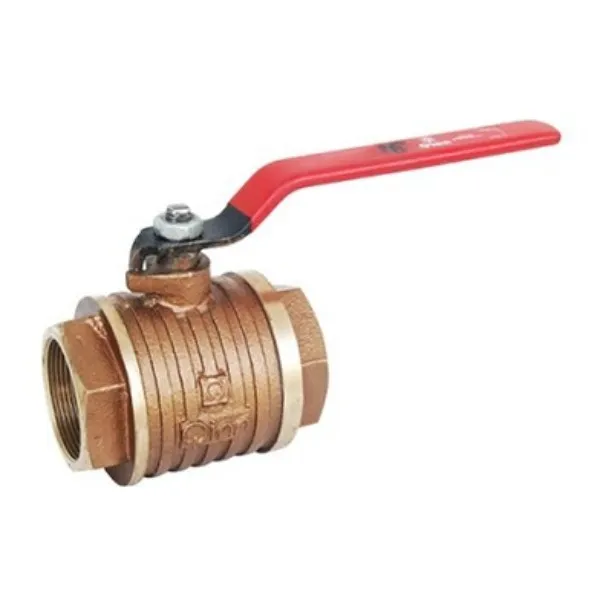
A ball valve uses a spherical closure element with a bore through its centre. When the bore aligns with the pipeline, fluid passes through. Turning the handle approximately 90 degrees rotates the ball and closes the flow path.
This quarter-turn operation makes ball valves particularly convenient where operators need quick isolation rather than gradual flow regulation.
Typical advantages include:
- Fast opening and closing
- Compact installation dimensions
- Relatively simple operation
- Effective shut-off when correctly selected
- Convenient maintenance in many piping arrangements
Where Brass Ball Valves Are Commonly Used
Brass ball valves can be suitable for various water, air, utility, and compatible fluid applications. However, the actual suitability depends on operating temperature, pressure, fluid chemistry, connection type, and valve specifications.
In Mumbai and industrial areas across Maharashtra, buyers may encounter these valves in utility pipelines, building services, processing facilities, equipment assemblies, water systems, and general engineering applications.
The material should never be selected only because a valve has been used successfully in another installation. Fluid compatibility and operating conditions need to be checked for each application.
What Matters When Selecting a Valve
Before choosing a brass ball valve, buyers should confirm several basic parameters.
Valve size: The nominal size should correspond with the piping and required flow conditions.
Pressure rating: The selected valve must be appropriate for the system's intended working pressure.
Temperature: Seal materials and valve construction should suit the expected operating temperature.
End connection: Threaded and other connection configurations need to match the installation.
Media compatibility: Brass, sealing materials, and other wetted components should be suitable for the fluid being handled.
These details matter because two valves that look nearly identical externally may be designed for different service conditions.
Why Technical Selection Is More Important Than Appearance
A common purchasing mistake is treating valves as interchangeable hardware. In an industrial pipeline, a valve is part of the pressure-containing and flow-control system.
For buyers evaluating Texas brass ball valves through suppliers such as Navkar Enterprises - Texas Valves in Mumbai, the useful starting point is therefore the application rather than simply the required diameter.
Providing the supplier with media, size, operating pressure, temperature, connection details, and intended use makes product identification more precise.
A correctly specified brass ball valve can offer simple, practical flow isolation. The key is matching its materials and operating characteristics to the actual piping system rather than selecting by size or price alone.
Keywords