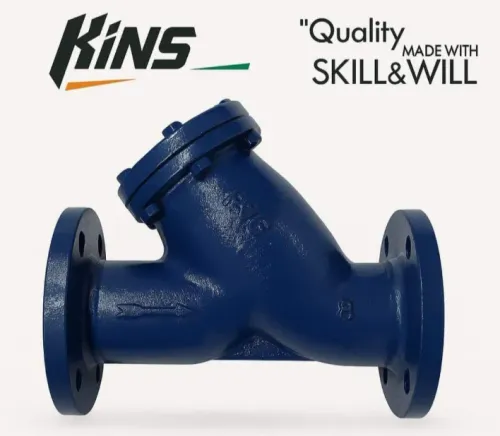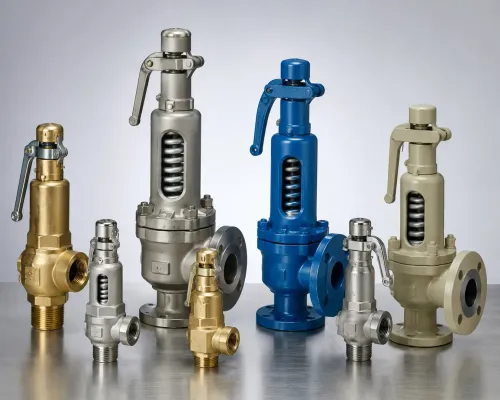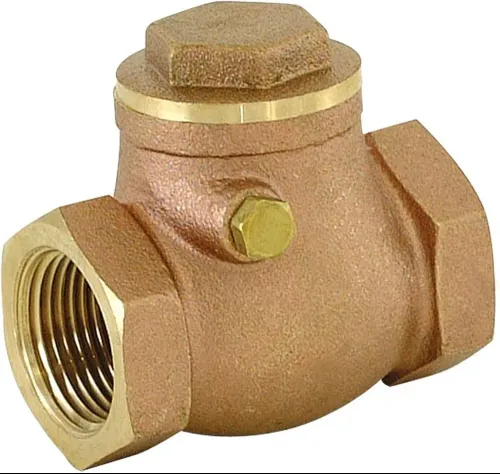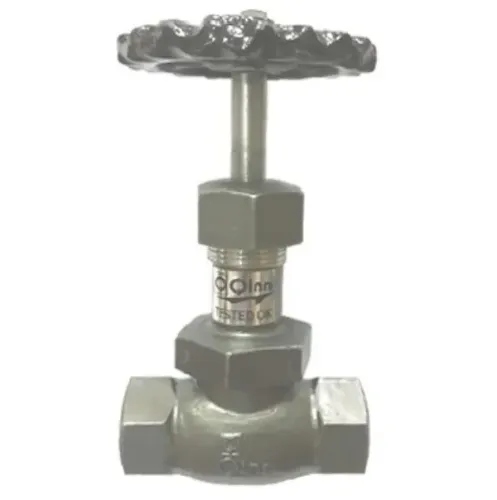
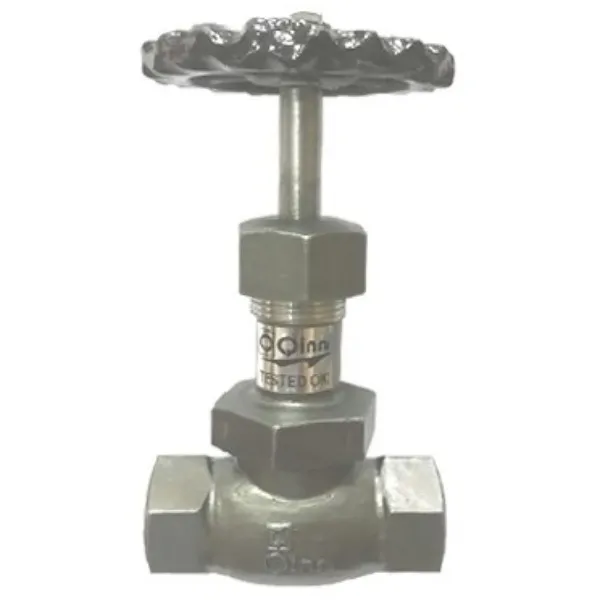
Selecting the right valve is not simply about controlling flow—it is about ensuring safety, efficiency, and long-term reliability. Two of the most widely used industrial valves are Globe Valves and ball valves. While both regulate fluid movement, they are designed for different purposes. Understanding their differences can help engineers, maintenance teams, and procurement professionals make informed decisions.
Industries across Mumbai, from manufacturing plants to processing facilities, often compare these valve types before investing in new pipeline systems.
Understanding the Basic Difference
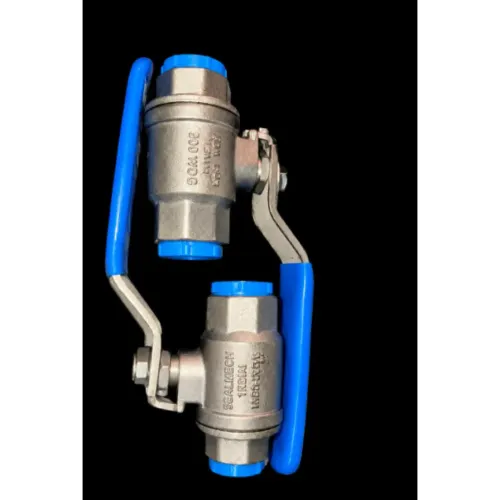
A ball valve uses a rotating ball with a hole through its center to start or stop flow. It is designed for quick shut-off with a simple quarter-turn operation.
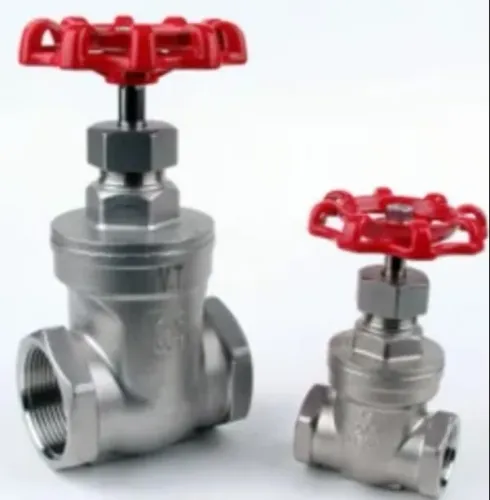
A globe valve, on the other hand, uses a movable disc and seat arrangement. The flow changes direction inside the valve body, allowing much finer control over fluid movement.
When a Ball Valve Is the Better Choice
Ball valves are ideal when the objective is complete shut-off or unrestricted flow.
They are commonly preferred for:
- Water distribution systems
- Compressed air pipelines
- Oil transfer lines
- Gas applications
- Utility services
Advantages
- Quick opening and closing
- Excellent sealing performance
- Minimal pressure loss
- Low maintenance
- Long service life
However, they are not designed for accurate flow regulation over extended periods.
When Globe Valves Are the Better Choice
Globe Valves are specifically engineered for controlling flow rates.
They are commonly used in:
- Steam systems
- Boiler applications
- Cooling water systems
- Chemical processing
- Process industries requiring flow adjustment
Advantages
- Accurate flow control
- Smooth throttling capability
- Better regulation of pressure
- Suitable for frequent operation
The trade-off is a slightly higher pressure drop due to the valve's internal design.
Comparison at a Glance
Choose Ball Valves if you need:
- Fast shut-off
- Minimal pressure drop
- Low maintenance
- Frequent open-close operation
Choose Globe Valves if you need:
- Precise flow regulation
- Steam control
- Pressure management
- Adjustable flow rates
Factors to Consider Before Buying
Before making a decision, evaluate:
- Type of fluid
- Operating pressure
- Temperature range
- Frequency of operation
- Required flow accuracy
- Maintenance accessibility
Matching the valve to the application is more important than selecting the most economical option.
Why Industrial Buyers Compare Both
Many industrial facilities actually use both valve types in the same plant. Ball valves handle isolation duties, while globe valves manage controlled flow in critical process lines.
This combination improves operational flexibility and helps optimize overall plant performance.
Choosing a Reliable Supplier
Industrial projects require valves that comply with recognized manufacturing standards and deliver consistent performance. Companies like Navkar Enterprises - Texas Valves (India) offer a broad selection of industrial valves, allowing buyers in Mumbai to select products suited to different operational requirements rather than relying on a one-size-fits-all solution.
Choosing the right valve at the planning stage helps reduce maintenance costs, improve efficiency, and minimize unexpected downtime.
Keywords