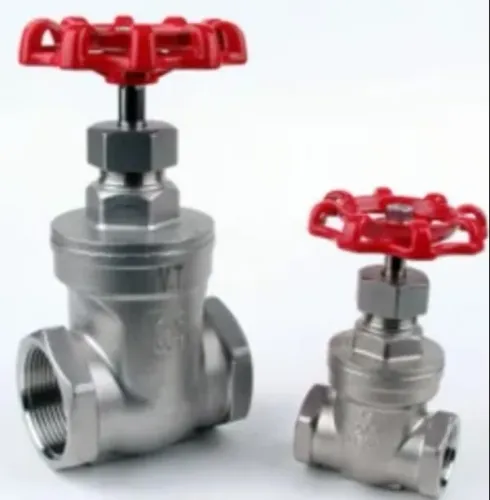
Choosing the right industrial valve depends on how the pipeline is expected to operate. While several valve types are available, gate valves remain one of the most reliable options for complete flow isolation in industrial systems.
They are designed to either fully open or fully close the flow path, making them ideal where unrestricted flow and minimal pressure loss are essential.
What Is a Gate Valve?
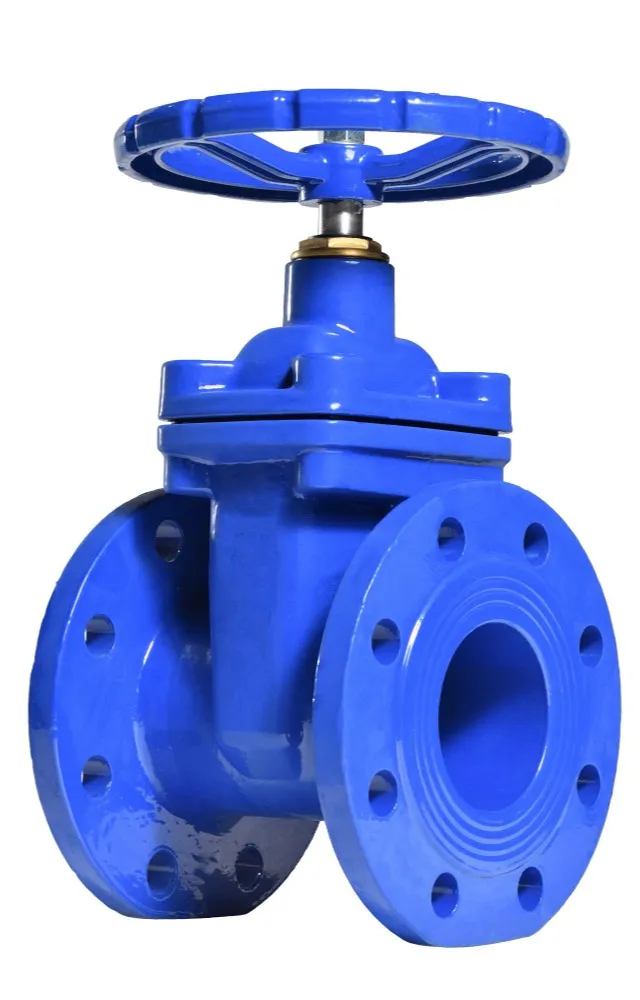
A gate valve uses a movable gate or wedge that travels vertically to start or stop fluid flow.
Unlike valves designed for throttling, gate valves perform best when operated in either the fully open or fully closed position.
This design minimizes turbulence and allows smooth flow through the pipeline.
Advantages of Gate Valves
Gate valves offer several operational benefits.
Minimal Pressure Drop
When fully open, the gate is completely lifted from the flow path, allowing fluid to move with very little resistance.
Reliable Isolation
They provide dependable shut-off in applications where leakage cannot be tolerated.
Suitable for High Pressure
Many industrial gate valves are designed to withstand demanding operating pressures.
Long Service Life
Proper installation and maintenance contribute to years of dependable operation.
Typical Applications
Gate valves are widely used in:
- Steam systems
- Water distribution
- Oil pipelines
- Chemical plants
- Power generation
- Manufacturing industries
- Fire protection networks
These industries require reliable isolation during maintenance or emergency shutdowns.
When Not to Use Gate Valves
Although highly effective, gate valves are not suitable for every situation.
Avoid using them for:
- Frequent throttling
- Precise flow regulation
- Rapid cycling applications
Repeated partial opening may damage the valve seats and reduce performance.
Factors to Consider Before Selection
Industrial buyers should evaluate:
- Valve material
- Pressure class
- Temperature range
- Connection type
- Pipeline size
- Fluid characteristics
Selecting the correct specification improves operational safety and efficiency.
Basic Maintenance Tips
Proper maintenance extends valve life.
Recommended practices include:
- Inspect stem movement regularly.
- Lubricate moving parts where required.
- Check for corrosion.
- Operate the valve periodically.
- Replace worn seals before leakage develops.
Routine inspections reduce unexpected shutdowns.
Why Quality Manufacturing Matters
Industrial valves are long-term investments. Poor manufacturing quality can lead to leakage, maintenance issues, and production losses.
Businesses in Mumbai often work with established manufacturers and suppliers that provide valves meeting recognized industrial standards. Choosing a reliable source, such as Navkar Enterprises - Texas Valves (India), helps ensure consistent quality and dependable performance across demanding industrial applications.
Well-selected gate valves continue to play a critical role in maintaining safe, efficient, and uninterrupted industrial operations.
Keywords